This is one of several TV cash-ins from the “Golden Age” boom and probably the one that’s most worth reading rather than collecting. Written in 1950 by the TV announcer from the DuMont network, this will no doubt sound familiar to those of you who read my recent review of Dick Lane’s Whoa Nellie! While this is similar in concept, it’s considerably more detailed. It’s a full-fledged book, albeit only 98 pages, and has consi...
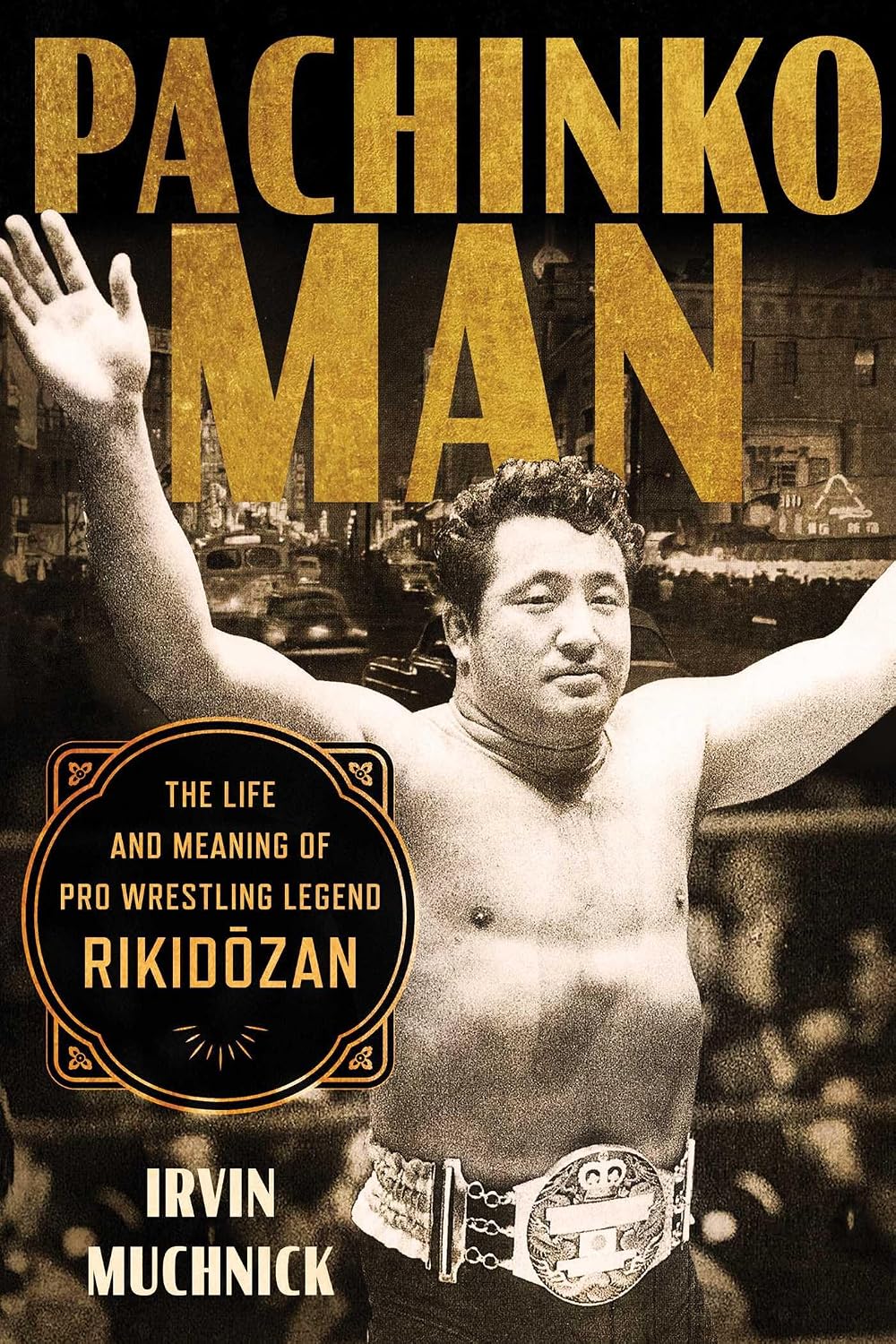

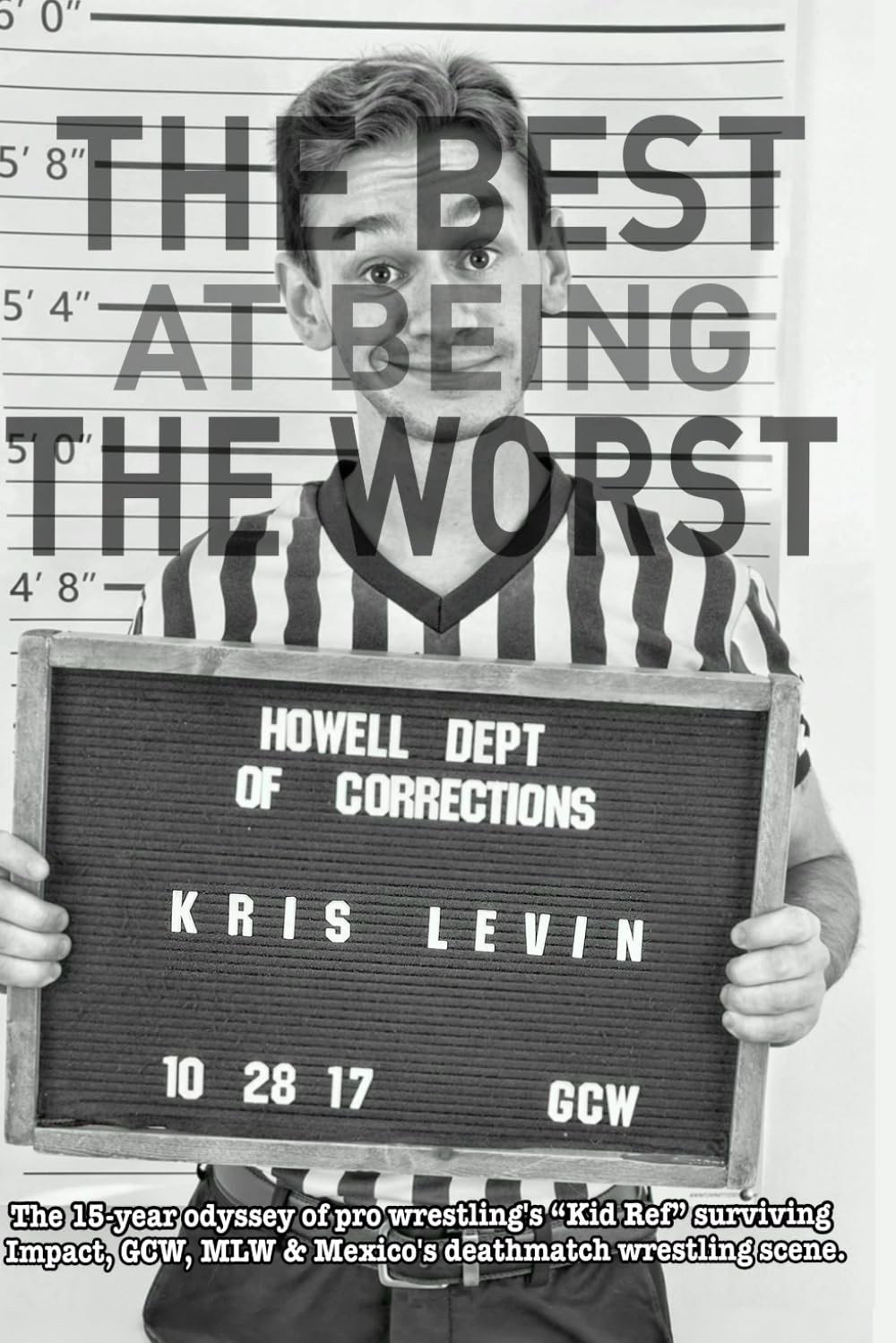


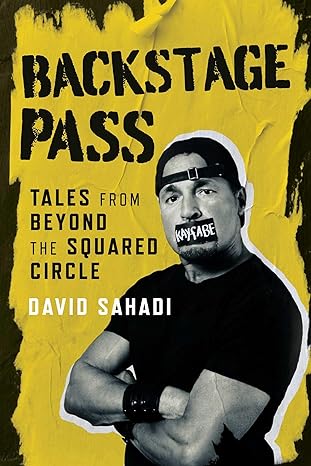


There’s nothing wrong with this book. It’s just… there. While Wolfe is perhaps best known for his “enhancement” work for WWF, he’s put the miles in, catching the final years of the territory system, working opening matches on WWF house show swings, experiencing the Texan indy scene of the 1990s and 2000s, going on foreign tours and, perhaps inevitably, joining the scores of wrestlers on hand at WCW’s Orlando tapings. It’...
This is the type of book that would likely only have been made at a specific time (in this case, January 1999.) It’s far enough into boom period that the author was able to find a publisher for a 446 page wrestling book, but still early enough that it can keep a very general approach rather than having to cover a single particular niche. There’s a curious theater-style Acts and Scenes structure to tie in with the title, but in effec...
If you’re reading this blog, the chances are that reading this book will be reminiscent of a Sean O’Haire promo. This official WWE release is billed as the story of the men who held the title up till 2010. The acknowledgement section mentions carrying out some fresh interviews, but the majority of the quotes appear to come from the full range of WWE official autobiographies and the feel is very much of a compilation. While the book ...
If you’ve read my review of Championship Wrestling by Napolitano, you know what to expect here. Sadly this book fails to meet even those limited expectations. It’s the same basic concept — a collection of Napolitano photographs in a coffee-table format book — but looks remarkably like the publishers saw Championship Wrestling and decided to see if they could capitalise with a version that was quicker and cheaper to produce. This...
This is a hugely entertaining story of a British wrestler’s career and life, but it’s most definitely not for the easily offended. Cornelius was a successful heavyweight in the 1950s and 60s, working across the UK as well as touring continental Europe and Japan. He went on to act in films and on stage, including being a regular entertainer at the London Palladium. The book doesn’t explicitly break kayfabe, but it’s easy enough ...
1996 was a curious year for the World Wrestling Federation: while house show attendance began to rebound and the company returned to profitability, it’s seen as a year of failure thanks to WCW beginning its two-year dominance of Monday night TV ratings. Creatively it was a confusing period, with a move to a more adult, realistic product undermined by cartoonish gimmicks such as TL Hopper and the Goon. These contradictions are covered ...
If you’ve read any of the similar WWF titles, most notably WWE RAW: The First 25 Years, you can probably imagine exactly how this book goes. It’s the same format with around eight pages for each year, made up of a couple of dozen one-paragraph entries about matches and angles on the show. You also get the occasional boxout for when a character debuted on the show and a few snippets about happenings on pay-per-views that affe...
One of the gems of wrestling Twitter is working on a book. Wrestling Arcade’s Twitter feed features 32-bit pixellated animations of classic wrestling moments from Shockmaster to Barber Shop. It’s the same creative force that produced the opening titles for the Being The Elite YouTube series. The animations are now coming out as a stills book titled Pro Wrestling’s Greatest Moments – A Pixelated Guide. It won̵...
Of the 25 years I’ve been following WWE, 1995 was undoubtedly the in-ring lowpoint, when I’d have tapes posted to me from home while away at university only to find myself struggling to make time to see the likes of Sid, Mabel and Tatanka in lead villain roles. It was a period of depression in the company’s product, and one that is detailed in-depth in Titan Sinking. As previously noted here, it’s a major change of pace from Dix...